
Environmental Writers of the 19th and 20th Centuries
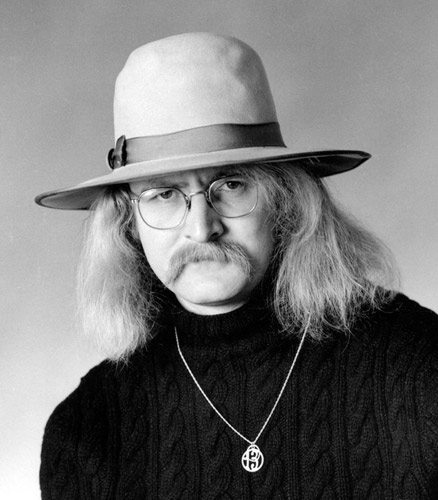
The United States has a rich literary tradition. A big part of that tradition has to do with writers who explored the virtues of the ecosystem and humankind’s relationship to the land. Here are three environmental writers whose works have influenced the nation’s attitude towards nature well beyond their deaths.
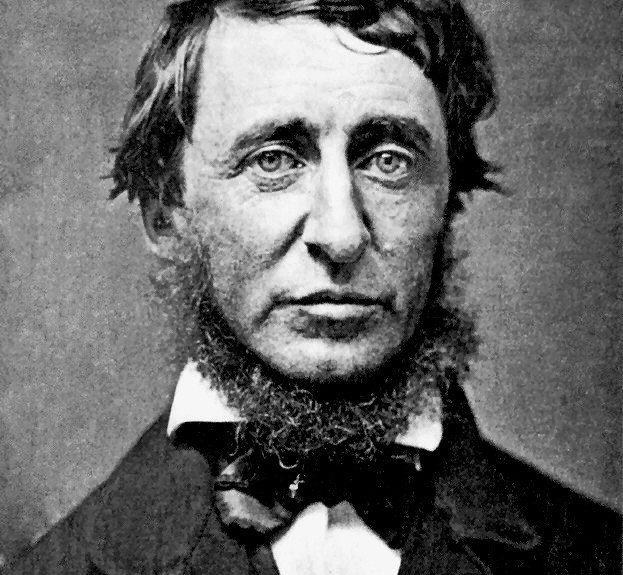
Henry David Thoreau (1817 – 1862)
Bio:
Henry David Thoreau was a key figure of the 19th-century transcendentalist literary movement. Thoreau looked for spiritual transcendence within nature. He wrote essays, novels and other publications about the ideal relationship between humans and their ecosystem. His work became a part of American culture, influencing later writers and environmentalists. The son of a pencil maker, he was one of the first to combine graphite and clay to make a sturdier pencil core.
Essential Work:
Henry David Thoreau’s novel Walden is his most well known work. Walden chronicles the two years Thoreau spent living in a small cabin by Walden Pond. He reflects on what he calls “living deliberately,” or getting down to the basics by cutting out the distractions of modern life.
I went to the woods because I wished to live deliberately, to front only the essential facts of life, and see if I could not learn what it had to teach, and not, when I came to die, discover that I had not lived. I did not wish to live what was not life, living is so dear; nor did I wish to practise resignation, unless it was quite necessary. I wanted to live deep and suck out all the marrow of life, to live so sturdily and Spartan-like as to put to rout all that was not life, to cut a broad swath and shave close, to drive life into a corner, and reduce it to its lowest terms.
-Henry David Thoreau, Walden
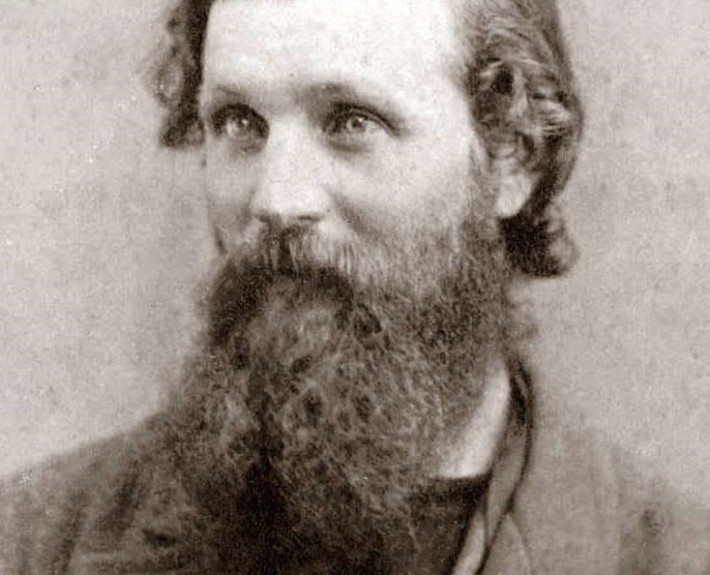
John Muir (1848 – 1914)
Bio:
John Muir was one of those writers influenced by the writings of Thoreau. Most people know John Muir as the modern environmentalist. Muir also wrote philosophical essays that argued for preserving pristine nature, catalogued wildlife, sketched and etched maps of various California landmarks and wrote a great number of articles and publications. Surely, Muir went through many pencils.
Essential Work:
Muir’s book The Yosemite Valley is the ultimate ode to the beautiful Yosemite State Park. Muir used his writing talents to influence the political debate over damming the Hetch Hetchy River. Muir argues that Hetch Hetchy is a temple of nature that cannot be desecrated for man-made purposes. The essay on Hetch Hetchy is the final piece of the book, and it’s definitely the most powerful:
It appears therefore that Hetch-Hetchy Valley, far from being a plain, common, rock-bound meadow, as many who have not seen it seem to suppose, is a grand landscape garden, one of Nature’s rarest and most precious mountain mansions. As in Yosemite, the sublime rocks of its walls seem to the nature-lover to glow with life, whether leaning back in repose or standing erect in thoughtful attitudes, giving welcome to storms and calms alike. And how softly these mountain rocks are adorned, and how fine and reassuring the company they keep . . . things frail and fleeting and types of permanence meeting here and blending, as if into this glorious mountain temple Nature had gathered here choices treasures, whether great or small, to draw her lovers into close confiding communion with her.
-John Muir, “Hetch Hetchy”
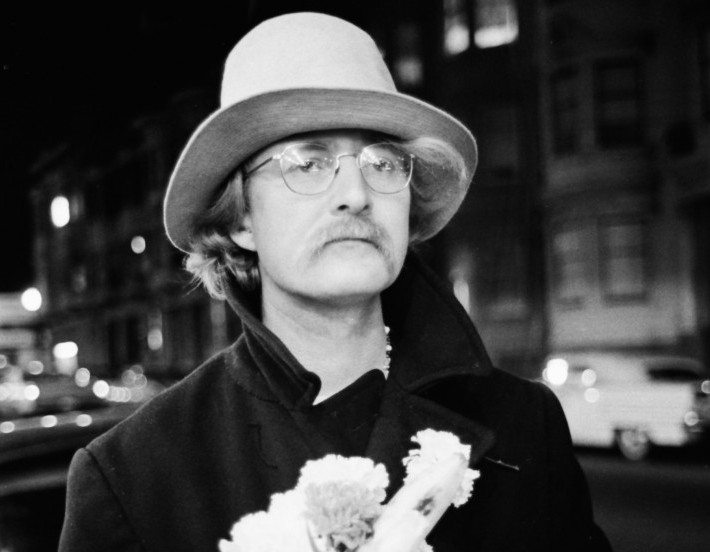
Richard Brautigan (1935 – 1984)
Bio:
Richard Brautigan was a writer from the Beat Generation of San Francisco. He wrote several collections of poetry and several novels throughout his career. His left-field writing stood out amongst the writing of his contemporaries. Brautigan’s far-out poetry is seen as part of the beat generation and it shows a unique perspective on humans’ relationship to the ecosystem.
Essential Work:
Richard Brautigan’s centerpiece poem, “Machines of Loving Grace,” paints a vivid picture that imagines the possibilities of a future where humankind can coexist with advanced technology and a healthy ecosystem simultaneously. Here is an excerpt from the poem:
I like to think (and
the sooner the better!)
of a cybernetic meadow
where mammals and computers
live together in mutually
programming harmony
like pure water
touching clear sky.
– Richard Brautigan, “Machines of Loving Grace”
What do you think Pencileers? Who are some of your favorite environmentally-conscious writers? Let us know in the comments!
Shop Eco-friendly Products









Leave a Reply
Want to join the discussion?Feel free to contribute!