
Interview with Alexandra Charmaine Ortiz
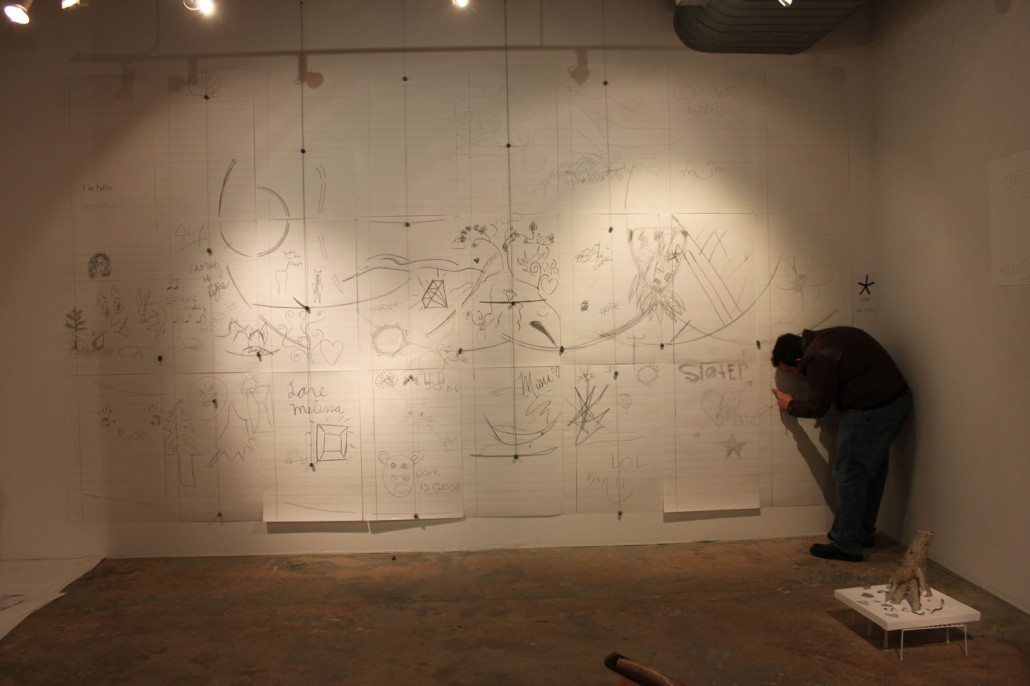
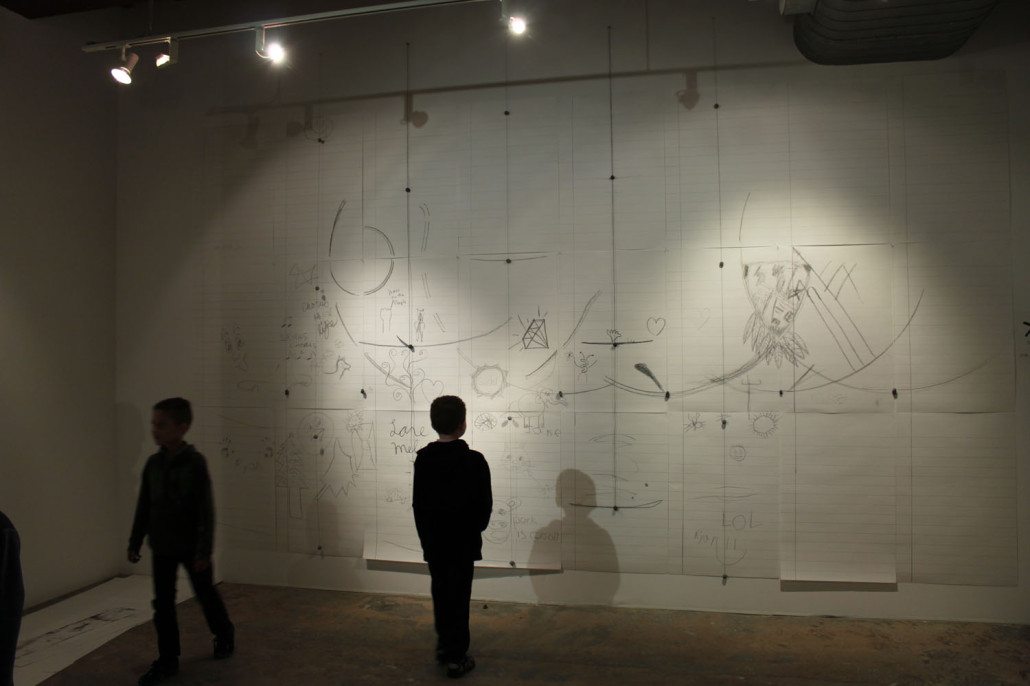
Alexandra Charmaine Ortiz, M.F.A., is a very busy artist! She is Artist in Residence at the Art Students League of New York’s Vytlacil Campus, has an exhibit called Collapsed Fields currently on display, and is launching her own pencil company on top of it all. I was very lucky to have the opportunity to interview her, and I am very excited to share such an extraordinary talent in the art world with you.
GV: Did you always want to be an artist?
ACO: I have always been a maker; I make things (sometimes it’s art). Being a maker is a part of my identity that at times has presented challenges. I make because I have the drive and physical need to see questions explored and occasionally worked out.
GV: I noticed your MFA is in painting. Why did you move to graphite as your medium of choice?
ACO: I have drawn with graphite since adolescence. Pencils were always readily available, more so than paint. In the early years of my academic training I painted because it was expected of me. I resisted painting and drew as much as I could get away with. In graduate school I had some great professors that encouraged me to just draw. They recognized my interests in the graphite material and gave me the critical feedback I needed. However, my painting background has a tremendous influence on the conceptual and formal dialogues I work with. The discourse of abstract painting I directly relate to my drawing practice.
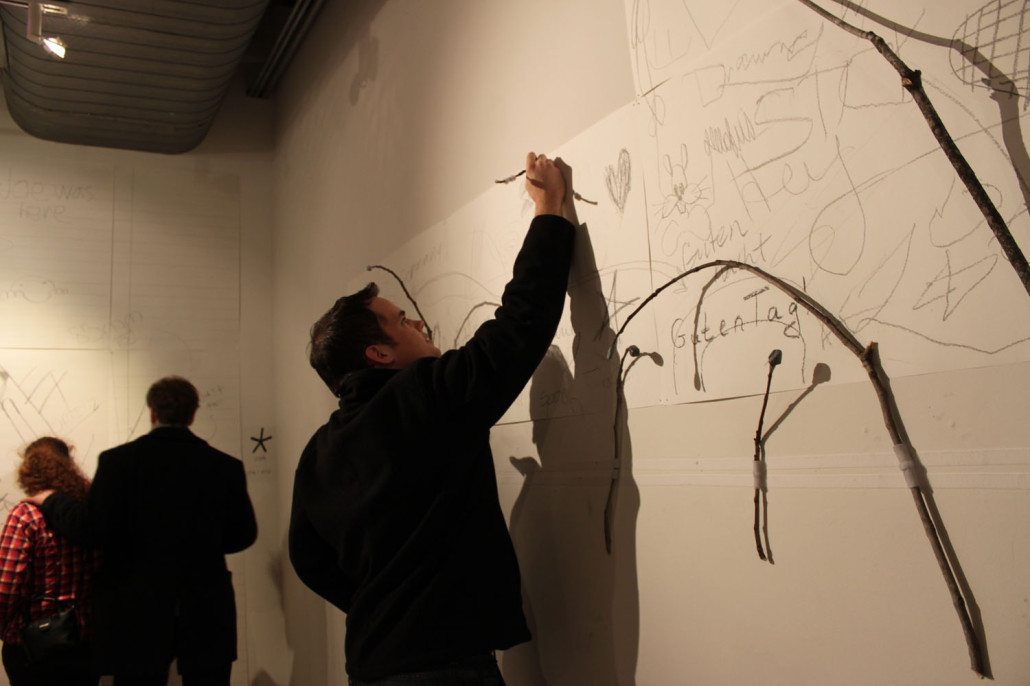
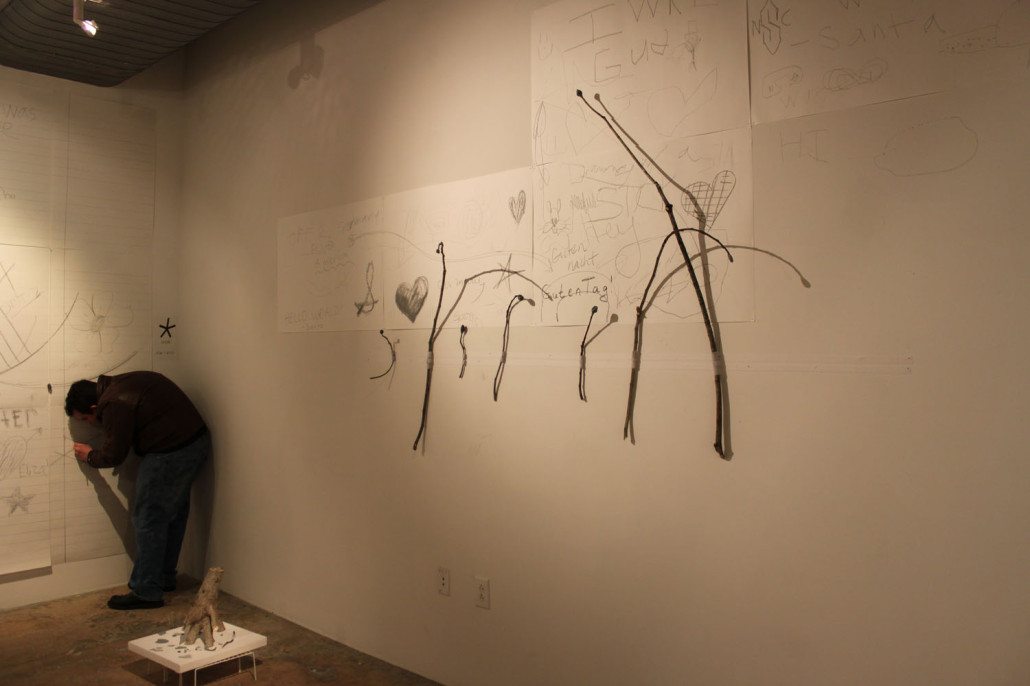
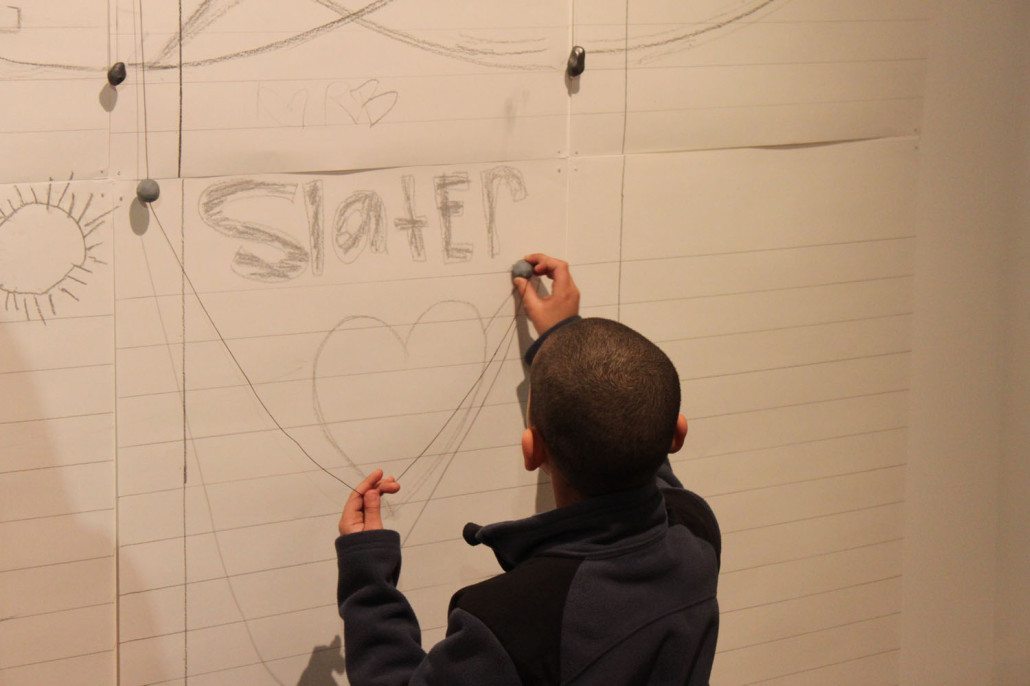
GV: What unique challenges does graphite pose to you as an artist?
ACO: The processes I use when I work with graphite are very messy and greasy. I always wear gloves and a respirator to protect myself from harmful dust. The primary issue I encounter is that graphite often creates a slippery coat over my studio floor. This coat of graphite frequently gets transferred to my shoes, so I leave soot trails wherever I go. I’m a lot like Pigpen [from the Peanuts comics].
GV: According to your work statement, you “maintain the historical apparatus specific to drawing while setting up new contrasts and formal problems.” Could you expand on this/give some examples?
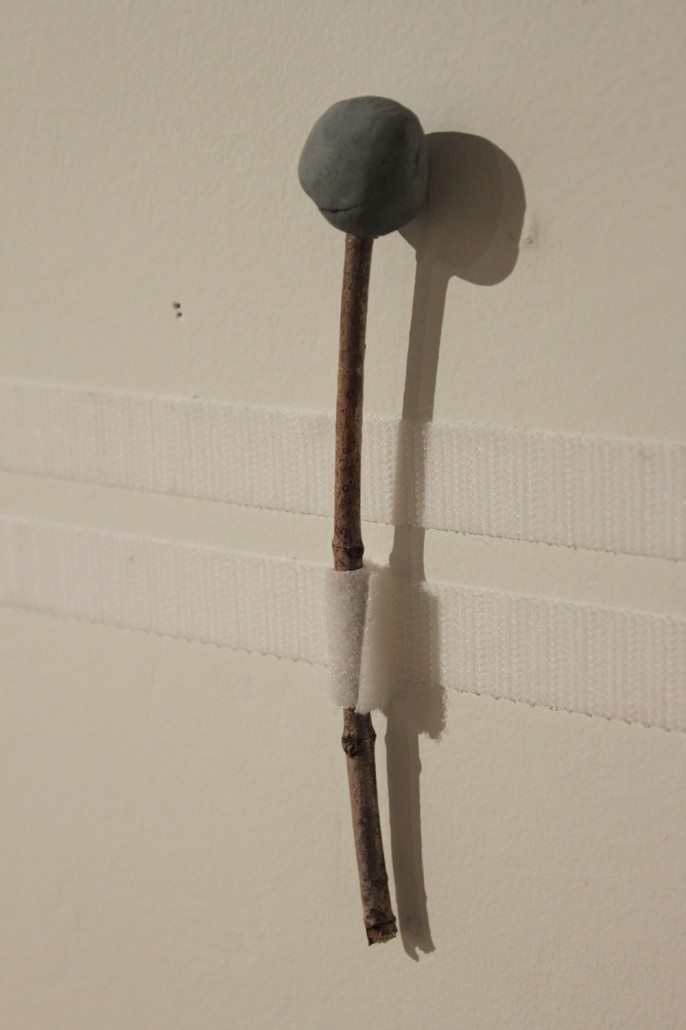
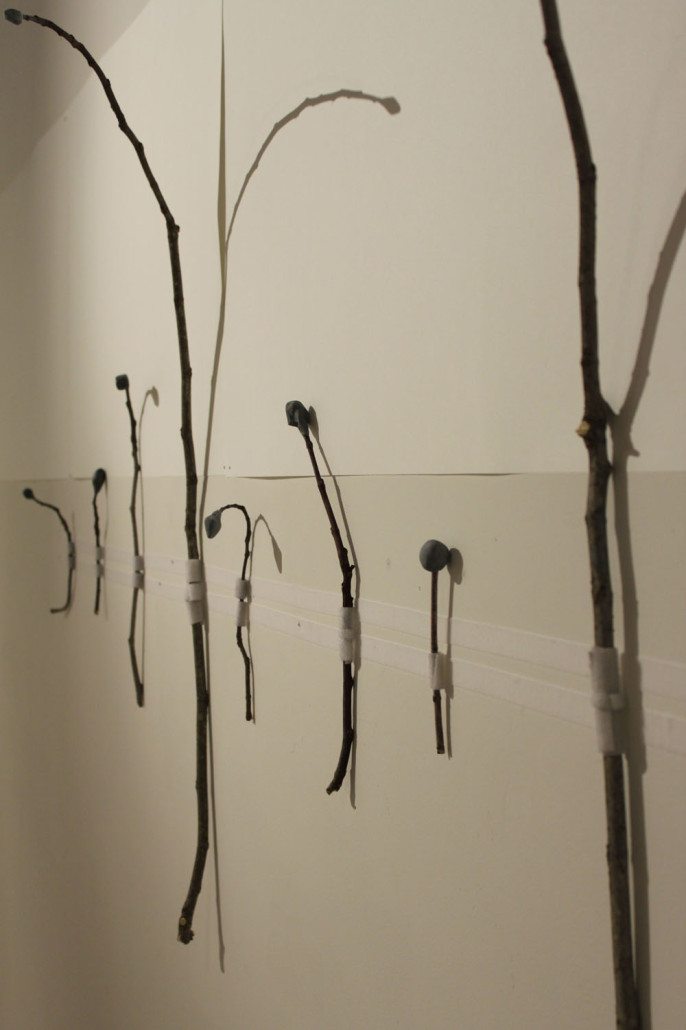
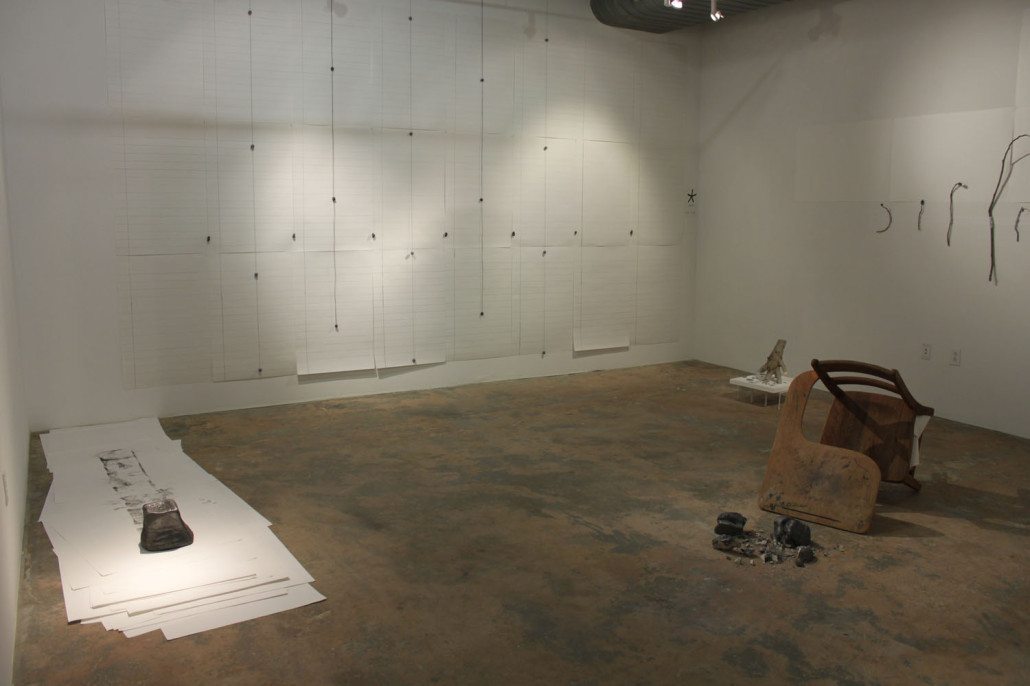
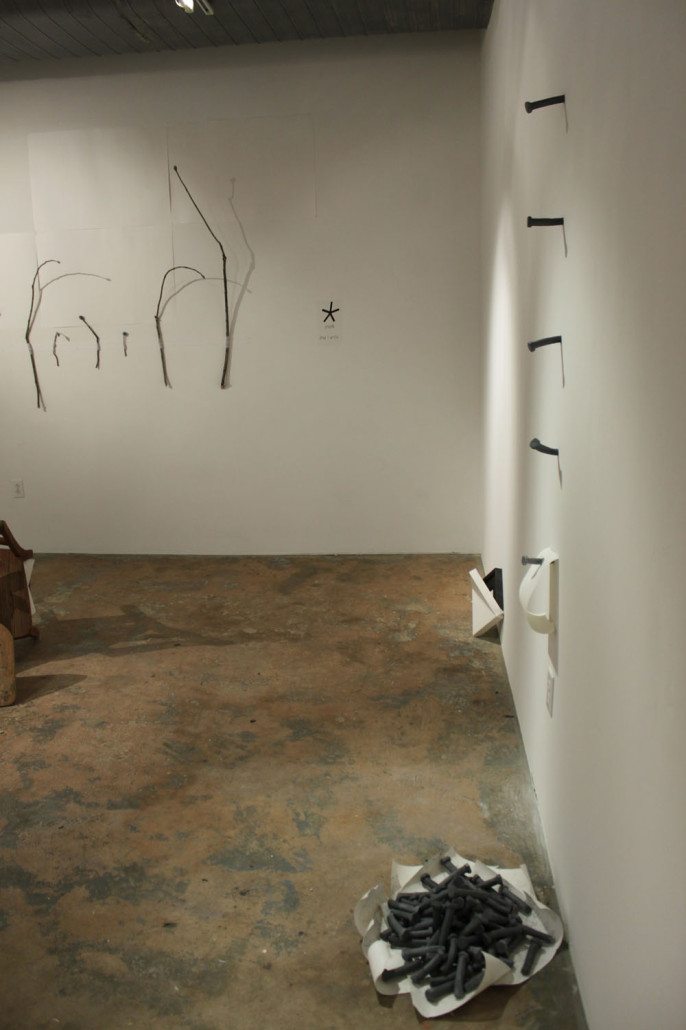
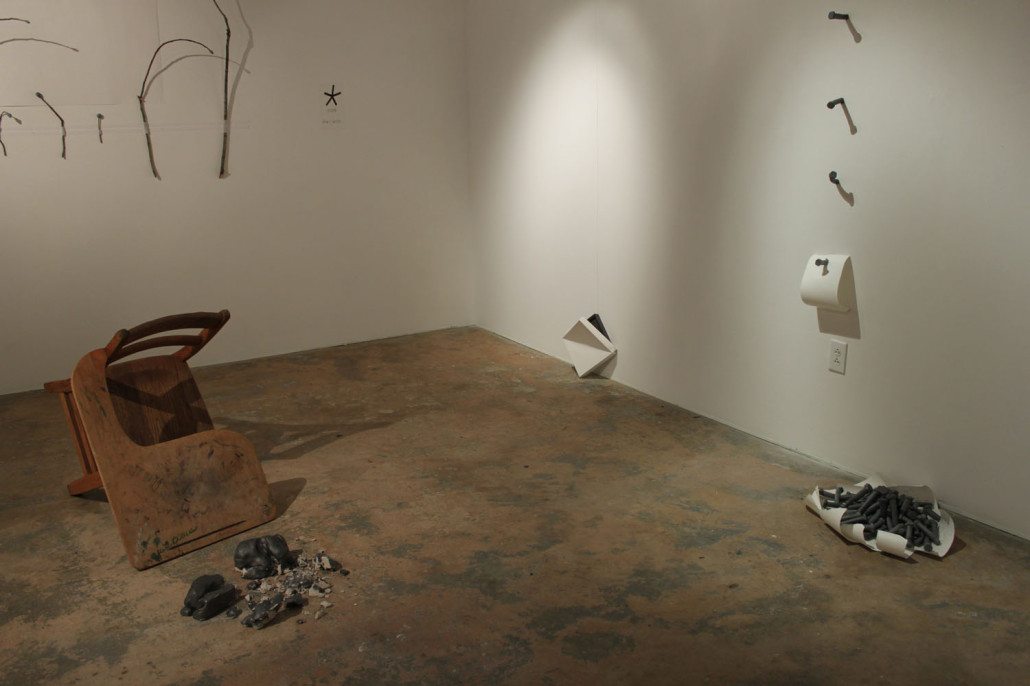
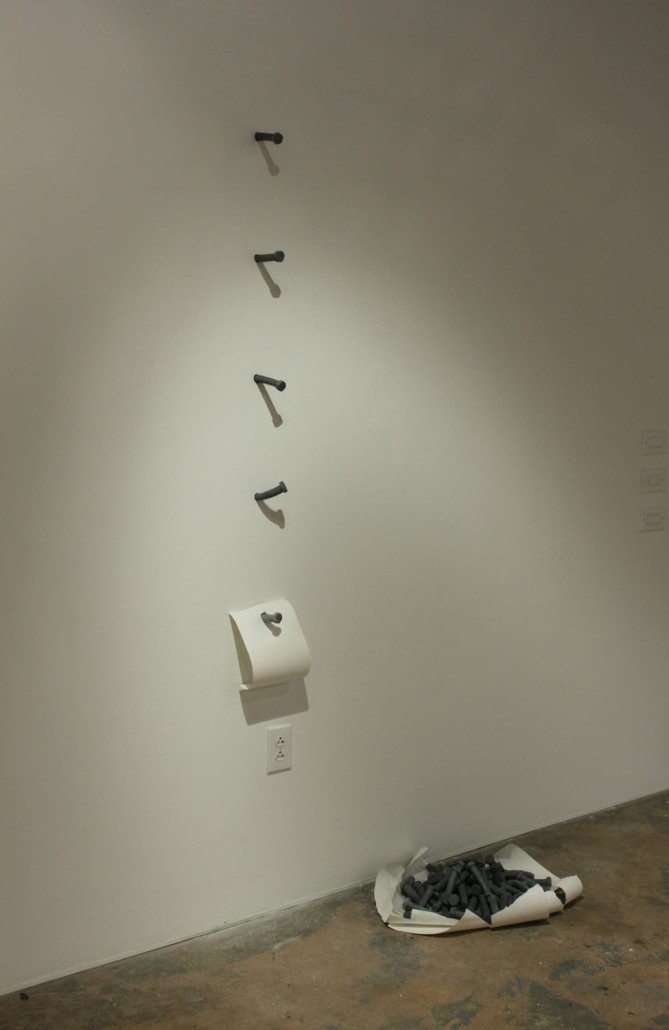
ACO: All materials are conceptually loaded, and this is important to me and my work. I see the traditional, historical apparatus of drawing as being pencil on paper (not to say that is the only historical apparatus of drawing). By maintaining the apparatus of drawing (the tools and the surface associated with drawing: pencil on paper) I can exemplify a historical starting point. In departing from this point of reference I am able to set up a critique of the drawing discipline (where drawing is, where it has been, and where it can go). In my work I look to challenge what graphite on paper (a drawing) can look like using rearrangements of these historical materials (graphite pencil on paper). I also deconstruct the notion of the pencil further into raw material components (wood, graphite, and clay).
If I were to use plastic paper and wax crayons my work would not conceptually function the same way. Essentially it is these specific materials (graphite,
paper, clay, and wood) historically rooted within drawing that I am able to make drawings about drawing. For example, I used to draw on a material that was very similar to Mylar; it was plastic, double-sided, and transparent. However, I felt that the plastic surface was too far removed from the tradition of drawing, being that drawing is traditionally on a flat white nontransparent paper/cotton/wood pulp surface and I wanted to be true to the materials in a sense. I returned to the tradition of drawing “with” paper, not to make traditional drawings, but rather to make drawings that worked in and out of its historical tradition.
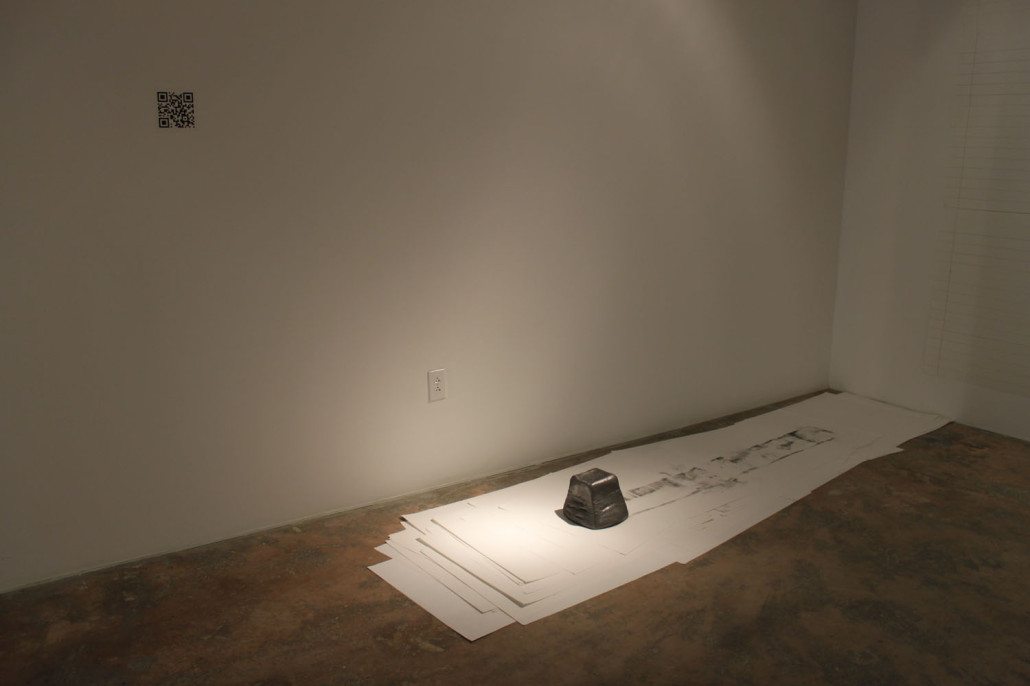
*My objects and drawings (Glitch Series) on paper are almost two separate entities at this point, and I plan to converge them over the next year.
GV: You’re currently in residence at the Art Students League of New York’s Vytlacil Campus. What does that entail?
ACO: In general, residency programs allow artists to have a focused period of time to work, eliminating many of the distractions they typically face in their “home” environments. Residency programs, like the Art Students League of New York at VYT, facilitate artists’ work by providing them a studio space and a place to sleep, free of distractions. The Art Students League of New York at VYT, was a great experience for me on many levels. I have attended a few residencies across the nation, but the ASL was especially beneficial to me because I was able to spend a great deal of time in New York City.
For me the most important aspect of these residencies has been the interactions and friendships that I’ve made with the other artists. I continue to keep in touch with most of them and it is these artists that make me feel comfortable in knowing and that I am not alone. Where I currently live I get lonely making work in my isolated home studio, and I generally feel misunderstood by my surrounding “home” community. In contrast, while I was in New York I met some great artists and had a pivotal studio visit/talk with Lisa Sigual, a curator at the Drawing Center. Collectively, the conversations that I have had at residences propel me forward, where the residency environments are professional and devoid of cliques.
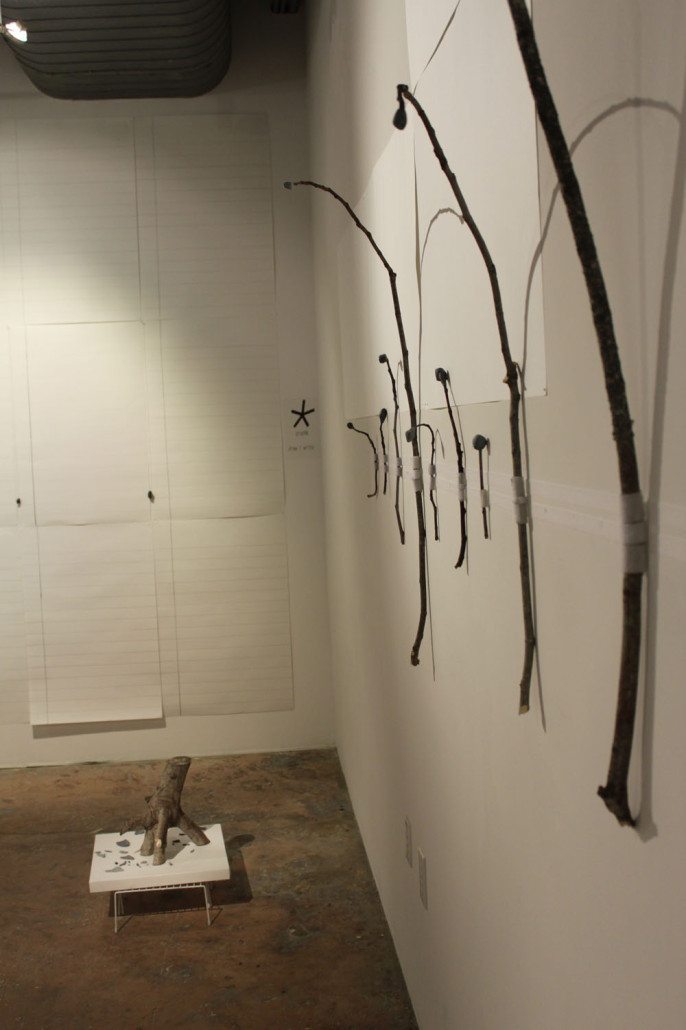
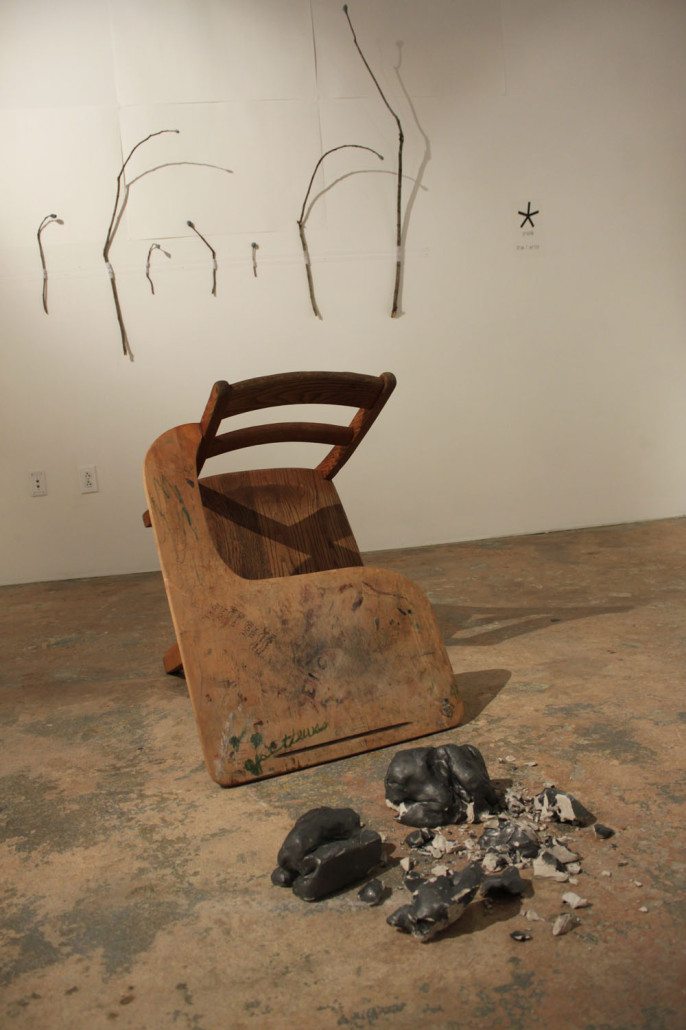
GV: Do you have any favorite pieces or pieces you’re most proud of that you can tell us about?
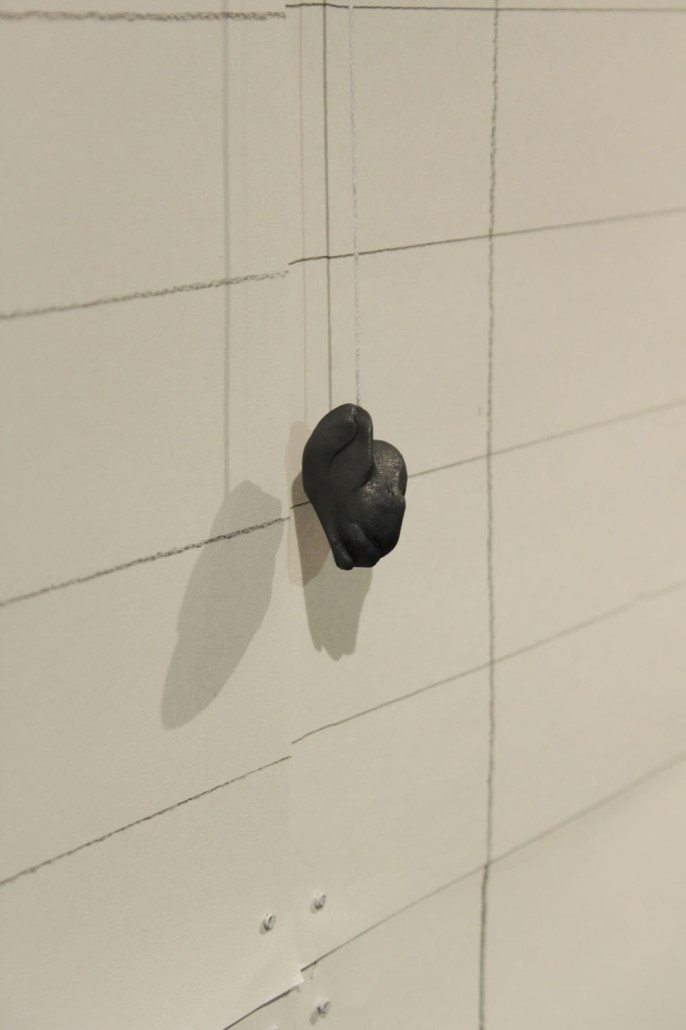
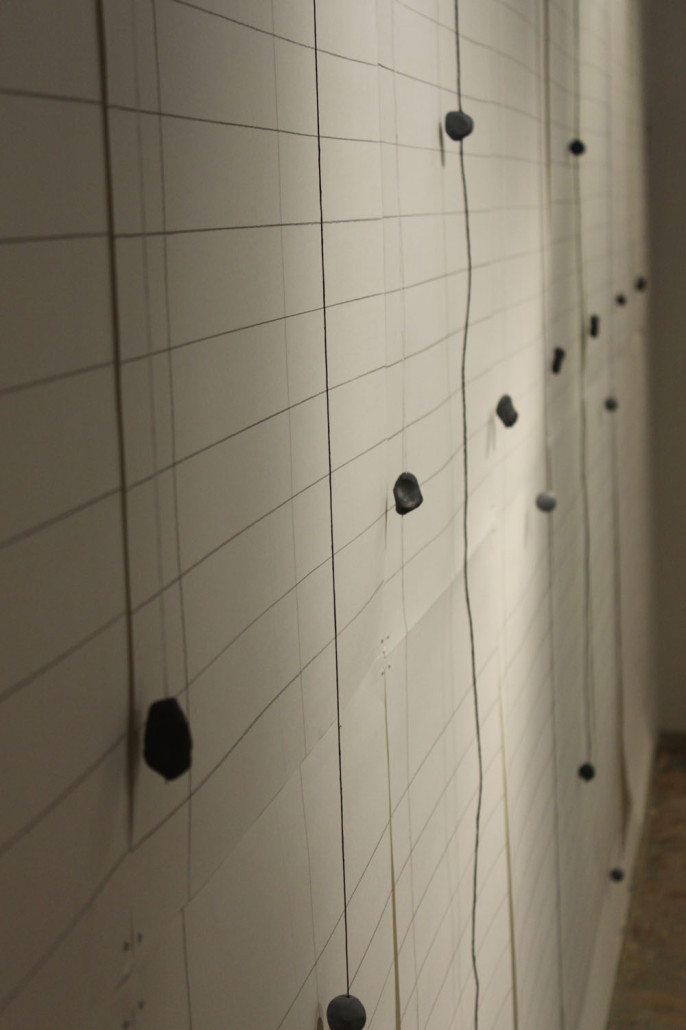
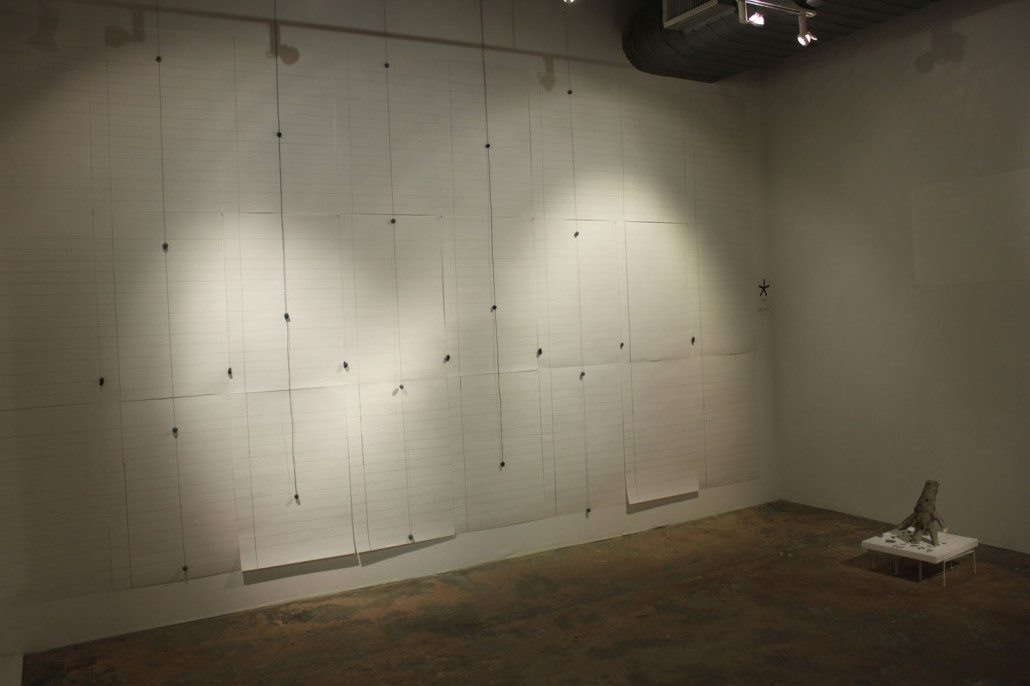
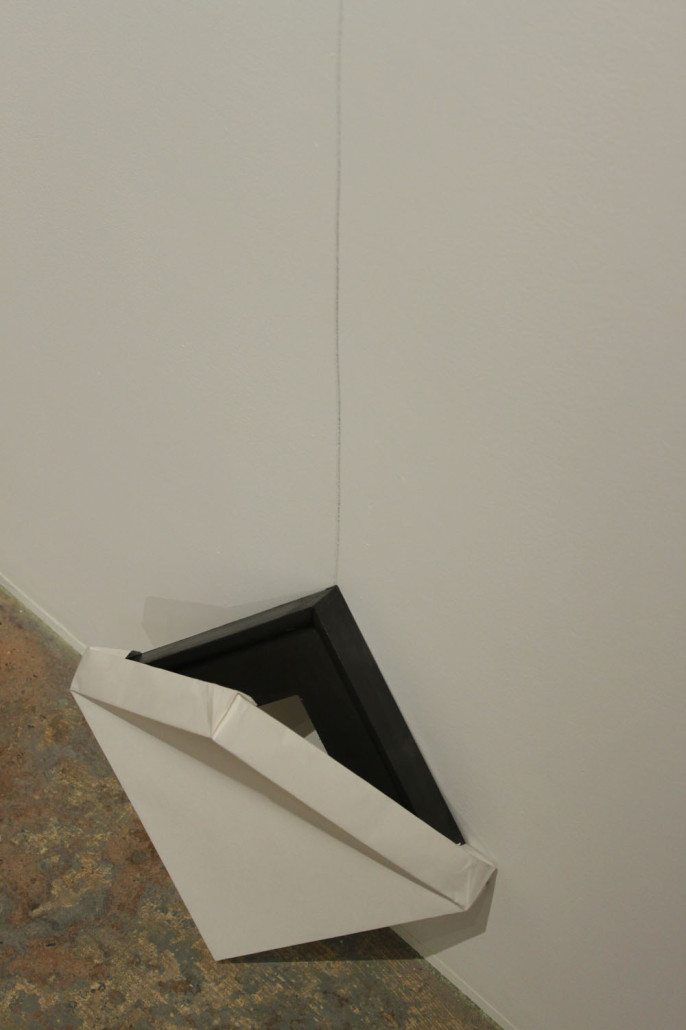
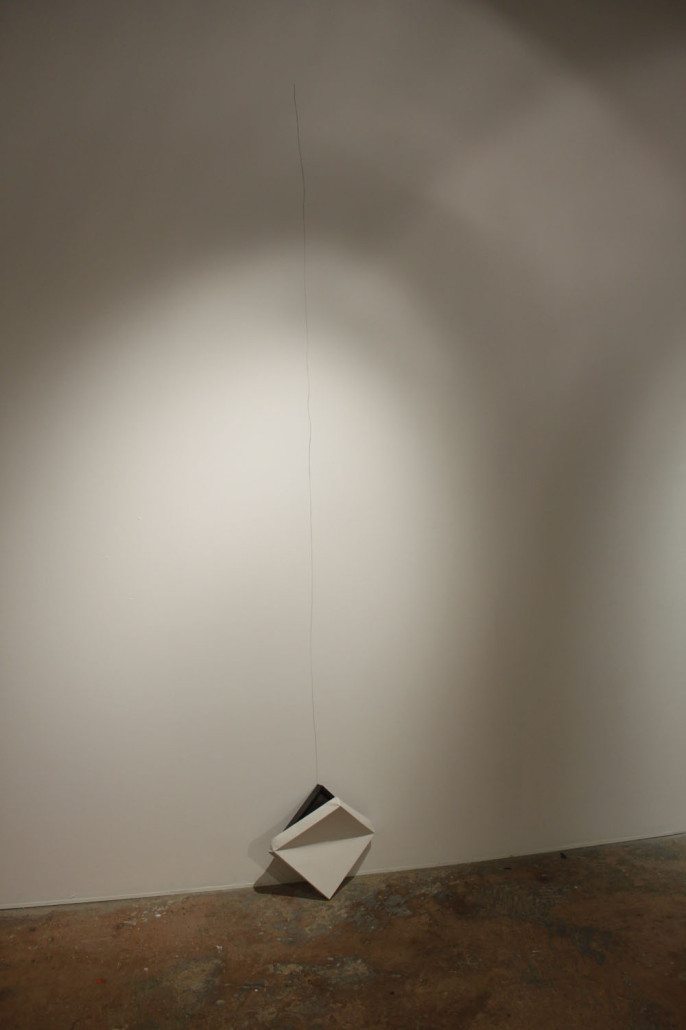
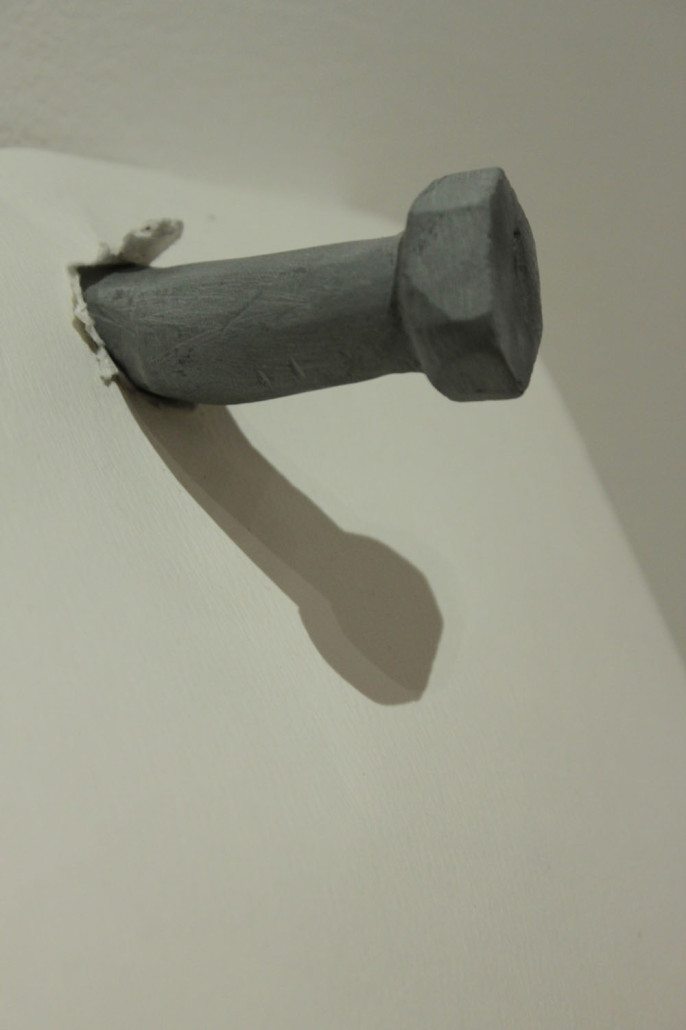
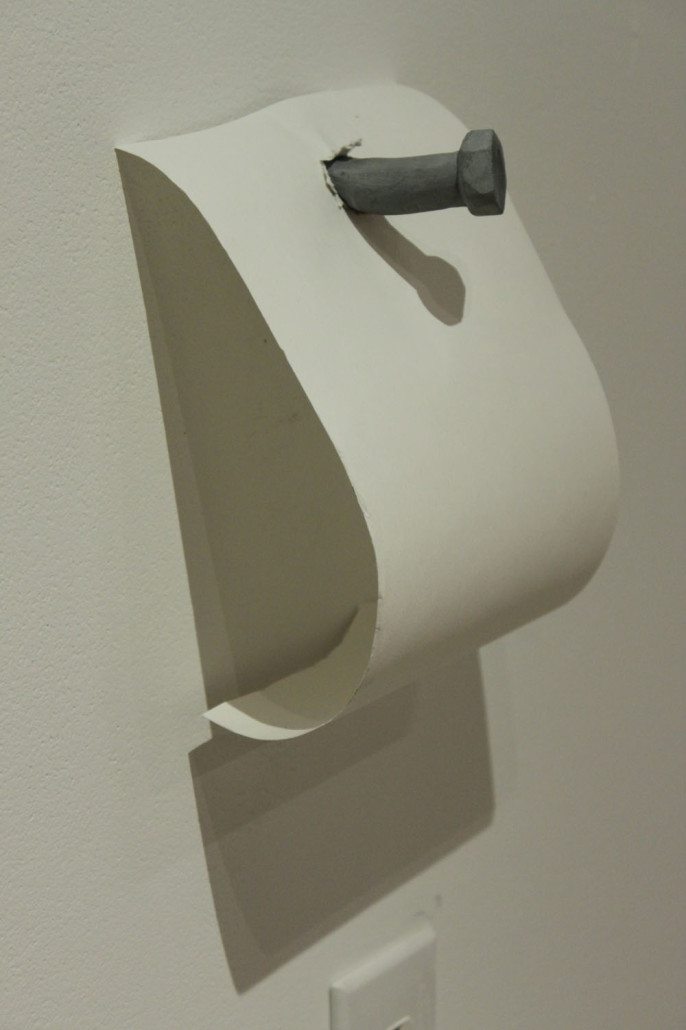
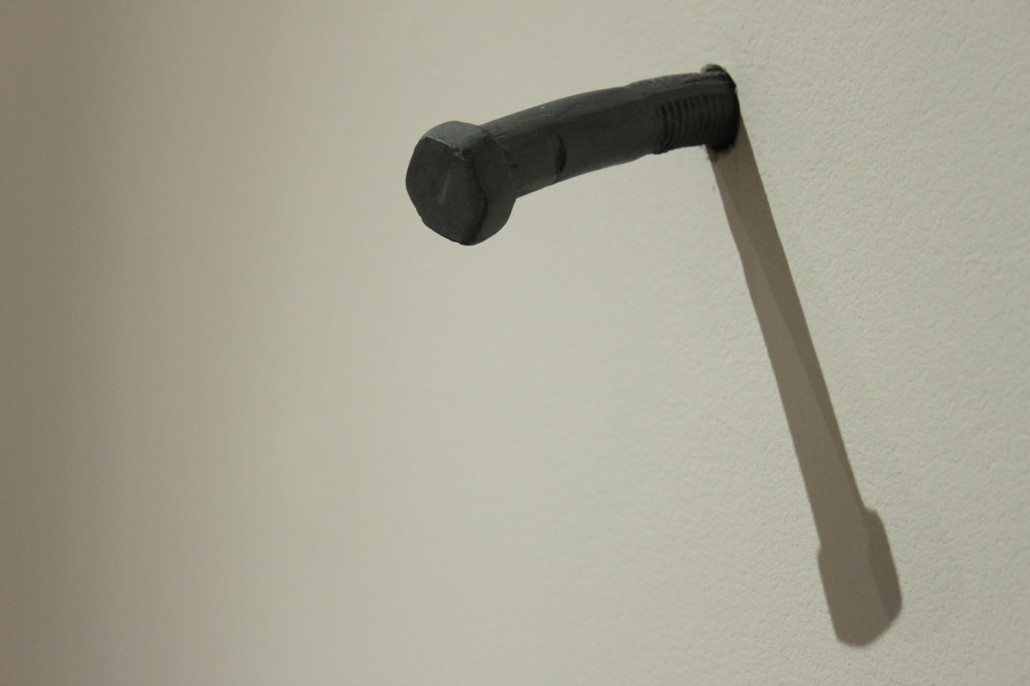
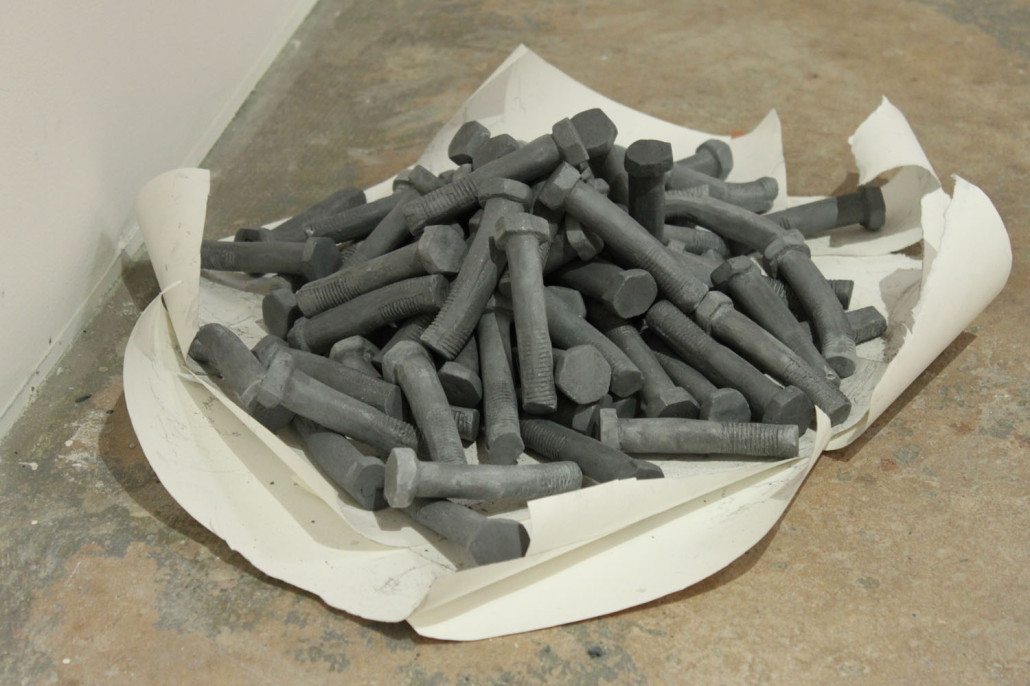
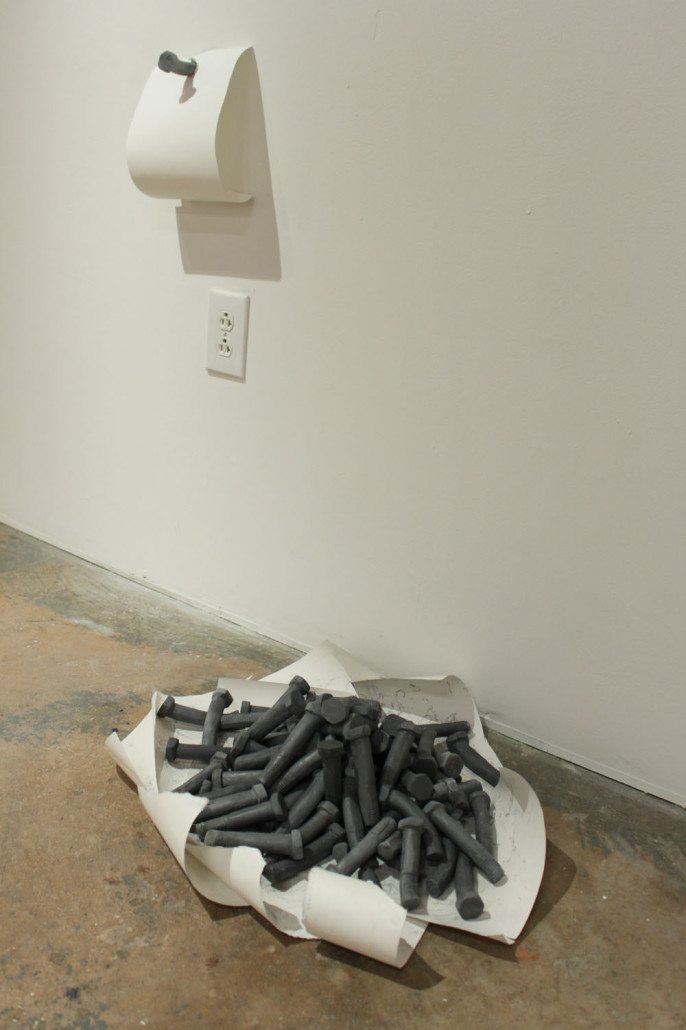
ACO: I recently made two related objects, Point Plane Drop I and Point Plane Drop II that use the historical format associated with painting (the canvas stretcher) to create a line drawing. In my object making processes I like the concepts that anything can be a drawing or pencil and I enjoy the slips that can happen within different fields of practice (painting, drawing, sculpture, and performance). I also enjoy bending the material rubric of drawing.
I have been making objects for some time now. At first I didn’t understand them and I felt that this process must be a reaction to making two dimensional works for so long. The aspect that I enjoy about making objects is that they don’t feel as pretentious as my paintings and drawings can feel when I am making them. When I am making objects I feel relieved of pressure, both historical pressures within the practice and just the pressure I often put on myself to make a good artwork. The objects that I make are sometimes successful and sometimes not, and I feel happy with them either way they turn out.
GV: What projects/upcoming events are you most excited about right now?
ACO: The upcoming project I am most excited about is launching my own line of handmade graphite pencils and pencil products. I have been making my own pencil products for some time now, and have shown them to other artists with whom I have been at residencies. They have all encouraged me to get them out there to the public. I have kept it under wraps for a while, but my website launch is starting to get closer. My pencil products will be available for sale at the Art Students League of New York on 57th street in NYC as well as online. I do not want to reveal too many details yet – only that I love pencils and each one will be handmade by me, not in China, and not by a machine.
GV: Can you give some insight into your creative process? How do you create your drawings?
ACO: My drawings (Glitch Series) and objects are made using the graphite pencils that I hand make. Unlike my objects, the drawings I make on paper hide the physical tools (handmade graphite pencils) that I use. Rather than being literally presented, my works on paper present my handmade pencils (tools) through various applications, where the handmade pencil is altered in some way (to airbrush it or screenprint it for example). When I work on paper I create dialogues by juxtaposing lines drawn with my handmade pencils with those made in a factory. I also play with digitally mediated marks, often creating drawings on my computer that I screen print with graphite onto paper. The drawings I make on paper (process wise) are approached in the same manner as my abstract paintings (when I use to paint predominately), through continual reactions. However, I’ve become aware of the drawbacks to this process, mainly that my reactions are informed by my specific tastes and ultimately geared towards making a pretty drawing rather than something compelling about the material.
At this point my drawings on paper have been moving in a very different direction than my objects and I am hoping to streamline the works on paper into a stronger emphasis on formalism over the next year. I am hoping to quiet the two dimensional drawing down focusing on subtlety rather than relying on series of reactions that are often informed by my tastes.
GV: What’s your favorite type of pencil?
I wholeheartedly support products that are made in the US. My favorite pencils come from General Pencil Company in Jersey City, New Jersey. General Pencil Company’s Kimberley Series are reasonably priced and not exclusively sold in art stores, making them readily available to anyone who wants to create a mark.
Can’t get enough of this amazing artist? Neither can we! Go to her website for more information, pictures, and news on upcoming events.
Shop General’s Products
[product_category category=”general-s” per_page=”4″ columns=”4″ orderby=”date” order=”desc”]



Leave a Reply
Want to join the discussion?Feel free to contribute!