
Dream Journals: Our Sleep, Our Lives, and the Waking World

 Dreams are fleeting, like birds escaping from a tree’s branches in the morning. They come to us each evening, leaving an impression on us that may only last until after we’ve sat down for breakfast. As much as we’d like, our memory can only retain so much of what we’ve dreamt the night before. But what if you could hold onto these images in a dream journal? And what if these dreams held more meaning than you’d previously thought?
Perhaps you’ve never thought of starting a dream journal. But beginning one is not only simple, it may give you insight into the preoccupations that have been troubling you on a day to day basis. Dreams tell a story, and they may be trying to tell you something more important than you might expect.
After all, some tribes believe that dreams foretell many things about our lives, providing a glimpse into our soul’s most complex inner workings.The Achuar of Ecuador, who live deep in the Amazon, believe that dreams can be read, and that they can tell us something about the future. Have you ever had a dream that you felt was a premonition?
I’ve always thought that dreams have a lot to do with what is actually going on in our lives. Being able to analyze the possible interpretations of your dream can help you to better understand yourself. It may even help you to realize something that has been bothering you that you’ve been pushing to the back of your mind. Facing these newly discovered roadblocks can even help you to come up with a solution, and this kind of introspection is only one of the many benefits of keeping a dream journal.
Learn more about the Achuar people in the video below
Dreams are varied. Many similarities seem to exist from dream to dream, however, and perhaps some of these themes are something you’ve dreamt about before. How many people have had dreams of falling, showing up late, or losing our teeth? Maybe we aren’t all flying through the air on a daily basis, unless you’re Superman, but dreams have always been more about association than actuality, to me. For example, flying has always been something I would associate with freedom, or even wisdom, because you can see the entire world below you in this type of dream. But that might just be my interpretation.
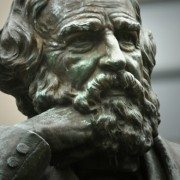
Sigmund Freud had many of his own interpretations. When he wrote an exhaustive analysis of dreams aptly titled, “The Interpretation of Dreams,” he developed a theory for understanding dreams, using many techniques. He even analyzed himself using what he called free association.
Learn about Freud and his Dream analysis technique
But how do dreams work? What exactly is going on in our brains while we dream? Many amazing things are going on while we sleep, and our minds are still at work even as we lie motionless. The folks at the Discovery Channel provide a little insight into our dream world in their informational video below, and as you’ll see for yourself, dreams are a fascination that many people share.
http://www.youtube.com/watch?v=ASf55cov5F8
Starting a Dream Journal
Here’s a few tips for starting a dream journal:
1. Keep a notebook by your bedside, with a pencil easily accessible. Write in it as soon as you wake up. The longer you wait, the more of your dream you are likely to forget.
2. Once you’ve completed your entry, take some time to reflect on what you were dreaming about, remembering to connect your dream life to your waking life. Odds are there is something that triggered the dream in the first place.
3. Invest in a dream dictionary. Free dream dictionaries can be found online with a quick search, but some people may prefer a paperback book to write notes in.
4. Use your dream journal as a creative tool. If you’re an artist, or a poet, why not use these interesting dreams for material? Samuel Taylor Coleridge, for example, used one of his most vivid dreams as the basis for his famous poem “Kubla Khan.”
5. Use Free Associate with the things that are present in your dream. What first comes to mind when you see a snarling dog? How about a sleeping child? Take time to jot notes beside your description of your dream, and use words that help you get to the meaning behind your dream. For example, a snarling dog may have a note penciled in next to it saying “fear.” Experiment and talk about your findings with others. You may have fellow dreamers who’d be glad to discuss their dreams with you as well.
Dreams can be a valuable source of self-understanding, and we shouldn’t take them for granted. Looking into the fantastic and imaginative life we lead in sleep tells us much about our identity. So begin the journey toward discovering your dream life. You may learn some things about yourself, which in turn can help you better face the world when you wake up each day.
What are some methods you’ve used to interpret your dreams? Feel free to share your thoughts on dreams with us in the comments section below.






This reminds me of Guy Clark’s album Songs and Stories when he talks about Townes Van Zandt writing the song “If I Needed you” in his sleep. He just rolled over one night, grabbed a pencil and paper, wrote it down and went back to sleep. Amazing song, amazing writer.