
Outsider Artists: Exploring the Link Between Creativity and Mental Illness

 Outsider Artists
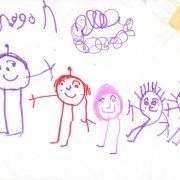
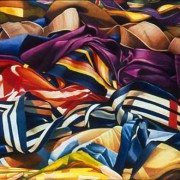
Much has been published on the link between creativity and mental illness, from scholarly articles to articles in HuffPo, the Harvard Gazette, and the New York Times. What is clear is that mental illness, and other conditions like ADD and Autism, makes one see the world differently, and this is often reflected in the art they create. There also tends to be a symbiotic relationship between art and artist, as the act of creative expression can have a calming effect on the artist.
National Art Exhibitions of the Mentally Ill (NAEMI) is a group committed to displaying, and promoting the art of so called “outsider artists” – those with mental illnesses and other conditions. They hold an annual exhibit in Miami, FL, where they display works from mentally ill artists in the US, England, Spain, and Central and South America. In addition to raising public awareness, they assist developing outsider aritsts and provide them with vocational training in art-related fields to increase their independence.
While NAEMI’s focus is on drawing and painting, The Awakenings Project – a grassroots organization dedicated to helping aspiring outsider artists develop their talent – includes artists in the fields of music, drama, and literature. You can visit their website to see samples of the artists’ work, explore resources for outsider artists, and donate to support the organization.
Many famous artists have been diagnosed with mental illnesses, although few people are aware of it. Pablo Picasso was schizophrenic. Jackson Pollock and Vincent Van Gogh suffered from bipolar disorder. Claude Monet suffered from clinical depression. Edward Deeds, committed to a mental institution in Nevada in 1936, created a collection of 283 numbered colored pencil drawings on hospital letterhead. He was diagnosed schizophrenic, though it has been suggested he may have been on the Autism spectrum as well. His art reflects landscapes from his home in the Ozarks, images from the Civil War, and – according to his niece – family portraits. It also shows the story of the hospital’s transition from urging patients to move about and cure themselves through physical labor to using Electroconvulsive Therapy (ECT), also known as electroshock therapy. He earned his nickname “the Electric Pencil” from a drawing in which the word ECTLECTRC appears next to a drawing of a pencil. It was originally suspected he may have been dyslexic and have spelled the world “electric” incorrectly, but was later discovered that the word was a reference to ECT. You can read more about his story and see examples of his haunting illustrations here.
If the Electric Pencil and these other incredible outsider artists have inspired you, grab a drawing pencil and some colored pencils too, and get creative!




I have heard this concept before, specifically in “A Different Existence” By J.H. van den Berg. And having Aspergers Syndrome myself, I am acutely aware of how people who have Autism, and how their brain functions on a different level, than those who don’t have it. I think its fascinating, especially this context. The artist creates an image on how he or she sees the world. And we are privileged to get that”glimpse” into their reality. Very well written article by Ms. Verrastro. Well Done!
The powerful body of work of independent artists in modern art is growing, as recognized in the article, and on resources like this site.
That is so kind of you to reference us (The Awakenings Project), to refer people to our website, and even to encourage them to donate. We are completely run by artists who ourselves have mental illnesses and/or addictions, and we have managed to keep going since 1996, when we had our first planning meeting, until the present, strictly by donations from friends, family members, and the kindnesses of strangers. We have also managed to get a few grants along the way, but we are completely a grassroots organization. We never quite know how people find us, but thank you for including us in your article.