
Golden Globes Serve Up Golden Advice – PPC
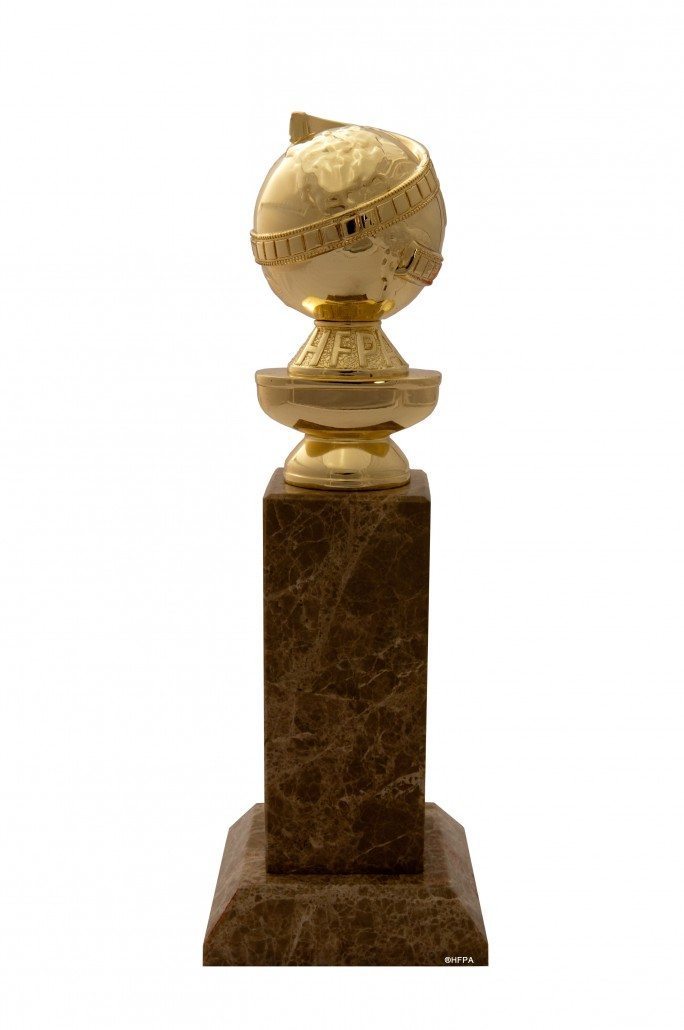
 Last weekend was the Golden Globes Award Show, sponsored by the Hollywood Foreign Press Association, and famously the most unpredictable of award shows with its open bar and constant fountain of champagne. It’s worth noting that the Golden Globes don’t just honor performances in television and film; they also highlight the achievements of writers with awards including “Best Original Screenplay” and “Best Original Song.”
While it was immensely gratifying to watch Adele win yet another trophy (this time for penning the theme to “Skyfall,” the latest James Bond film), I wasn’t expecting to find myself nodding in agreement when Quentin Tarantino (winning for Best Screenplay) described his writing process during his Golden Globes acceptance speech.
To paraphrase (as it was a somewhat rambling speech), Tarantino used his opportunity at the Golden Globes mic to thank his friends who participate in his creative process by listening to him read drafts of his screenplays aloud. They don’t offer advice or input, they just listen and give Tarantino an opportunity to hear it “through their ears.”
Tarantino (and His Golden Globe) Knows Best
How many of us, as writers, have been in that exact same position? You spend weeks, months, maybe even years polishing the first draft of your screenplay or short story with hopes of seeing your own Golden Globes award night. You solicit a friend whose judgment you value to listen to a selection from your work. You sit down, begin to read, and BAM.
Those descriptive passages that you lovingly painted through bright words and cunning phrases fall flat on their pretty faces. The dialogue that you honed to perfection, striving for reality and verisimilitude, becomes leaden and over-wrought. The plot that you’ve painstakingly built over months of late night writing sessions and countless cups of coffee strikes you as too contrived and cliché.
Nothing has physically happened – the same words that you prized the night before have not rearranged themselves on the page, scampering like ants across the paper while you slept. They stare blankly back at you, exactly where you put them. It’s the magical alchemy (some would call it damnable witchcraft) of words given a voice – they stand up from the page, stretch, move through the air, and in that flight we see their limitations.
But, in seeing their limitations, we can also see their possibility. Occasionally as you read, your face burning with embarrassment (how could you have ever thought this was fit for human consumption?), a line or phrase will strike you as not terrible. It won’t be your ego talking, because it is almost as though you can hear through your listener, and a tiny voice will pipe up, “Okay, that works!” And so you hang on for those moments, even if there is only one, and when it’s finished, you don’t even need to hear what they have to say. You’ve been hearing it all along.
When it comes to the writing process, a listener is the most important tool a writer can have at their disposal (okay, second most important – I’d like to think a pencil is pretty darn useful). They are your sounding board and stand-in for your reader, and their input is invaluable, especially what they don’t say in words.
If the Golden Globes are any indication of what’s to come, I look forward to what the awards season brings to us this year (and Poirier, I will smoke you again in this year’s Oscar predictions – readers can check out last year’s results here), including sparkly evening gowns, unscripted moments, and encouragement and advice to artists out there, following their dreams.
Image courtesy of the Hollywood Foreign Press Association





Leave a Reply
Want to join the discussion?Feel free to contribute!