
Bad Poetry: The Facts on Fiction
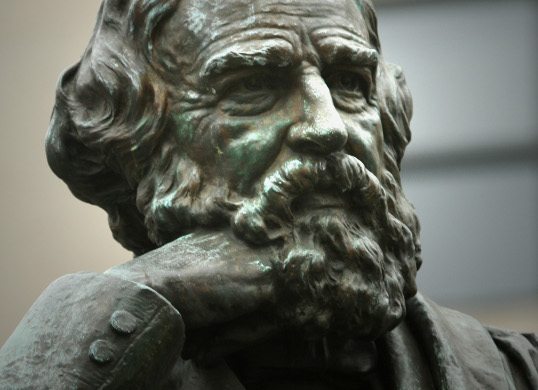
“Practicing an art, no matter how well or badly, is a way to make your soul grow, for heaven’s sake. Sing in the shower. Dance to the radio. Tell stories. Write a poem to a friend, even a lousy poem. Do it as well as you possibly can. You will get an enormous reward. You will have created something.”
Kurt Vonnegut, from A Man Without a Country

Does “Bad Poetry” Exist?
When taken at face value, Kurt Vonnegut’s words of advice point to an often overlooked aspect of writing poetry, the fact that it’s the act of creation that is its own reward. Many people would love to write that groundbreaking novel, or that beautiful poem they’ve been dreaming up in their mind, but something stops them. They wonder if it will be terrible. They even become afraid that it will most certainly be terribly, terribly, bad. Bad poetry is nothing to fear. Some aspiring authors have even been accused of writing the most horrible poems in history.
I hate to pass literary judgment in a cold-hearted manner. After all, poetry is supposed to be about using your imagination to create something beautiful. If I read a poem I don’t particularly care for, I don’t feel the desire to bash the poem or the poet. I’d hate for someone to do the same to me. So in some ways, one poet’s trash is another poet’s treasure. Everyone has a different perspective on what a good poem consists of, but don’t let that fear deter you from creating something that will, as Kurt Vonnegut said, “Make your soul grow.”
Instead of compiling potential poems for a list of the worst poems ever written, I prefer to offer these quick tips to avoid writing “bad poetry.” This is my effort to urge you to create, despite any inhibitions you may have about writing.
1. Start by Reading Well-known Poets
There are so many poets to choose from it can seem like a daunting task to make a commitment to read new poetry in the first place. Online, you have countless websites that will let you read poetry for free. It’s even possible to read poetry on your mobile devices, tablets, and of course e-readers. So ultimately, a little searching on the web will return many results for you to explore.
But why read well known poets in the first place? Primarily, I suggest this because the poets who have enjoyed some degree of posterity are given accolades and enjoy a wide readership largely because they deserve it. Many of the most famous authors you have probably heard of are great examples to follow and be inspired by.
You have to learn poetry, and it takes a great deal of time to develop an understanding of what you like and what you don’t. If you simply want to begin exploring your options for potential authors, my two favorite poetry websites are still Poets.org and Poetry Foundation. At these websites, you’ll be able to sample a wide variety of poets, and you can even read articles on how to begin writing your own poems.
Whatever you do, don’t get intimidated. Poetry doesn’t have to be overtly complex. Many of the best poems are simple in nature. For example, William Carlos Williams, who wrote The Red Wheelbarrow, often preferred using less words and instead chose to introduce more images. His motto was, “No Ideas but in things.” I take this to mean what you write about initiates the “ideas” you write about, the central themes, giving them life, recreating the world in the mind of the reader by using concrete “things.”
What things do you find in your poems? How do they help create a theme or central idea?
Consider these “ideas” as you write a poem today.
2. Keep it Simple
I was at a workshop once, led by Maxine Hong Kingston. She urged the audience to write a four word poem, jokingly referring to the Raid bug spray slogan, “Raid Kills Bugs dead.” I thought the exercise was simple, but effective. You’ll most likely find yourself writing much more then the four words you expected. It gets you started in the right direction.
Try out your own version. Remember, keep it simple, and you’ll be surprised what you come up with.
3. Write on a consistent schedule
If you just want to get started, begin by writing at a specific time of day. The morning or the evening can be a great time to compose a poem. I used to like writing Haiku on my lunch break at work. I found it put me in a better mood in the middle of my shifts. Maybe you’d like to write a short poem after sitting on your porch in the morning, while you’re enjoying some morning coffee.
4. Get a Book on How to Write Poetry
I find that there are so many books available that it’s difficult to even know how to choose a single one. With that in mind, the best thing I can do is tell you of two I’ve personally read. One that got me started early on, and another that I found enjoyable to read and inspiring in its own right after I had written several poems of my own.
The first is The Poet’s Companion. In this book you’ll find practical examples of form and writing prompts to get you started. You’ll also find many samples of different poetic forms, which are fine poems to read and learn from.
The second book is The Sounds Of Poetry:A Brief Guide, by Robert Pinsky. I think of myself as a person who writes by sound, a kind of word musician. I like to improvise, and this book seems to allow that kind of freedom, by allowing readers to connect with poetry on an auditory level. In poetry, sometimes things just “sound” right. If you’re more inspired by the way words sound in combination and you want to read a well written book on the subject, pick this one.
5. Take a Class on Poetry
I found this a great way to introduce myself to writing poems. It’s great to get the advice of someone who has taken considerable effort to study poetry professionally. I think creative writing classes are the most enjoyable classes I’ve ever taken. Gathering with like minded individuals, reading poetry, and sharing your work can be encouraging. It can also earn you some college credit. Who knows, you may even get some great material out of it.
Final Thoughts
Remember that poetry is ultimately about the act of creation. So why create judgement upon yourself or your work? The best thing you can do is bring some new life to old words. When you’ve sat down, faced your fear of writing that bad poem you were so frightened of, know that it was fear of what was inside you that stopped you.
Quite possibly there’s something more profound than you think germinating in your soul. Cultivate that growing desire to write by giving into your desire to create. You can even leave your first small poem here in the comments section.






For aspiring poets who want to learn about the technical side – iambic pentameters and such – I’d recommend “The Ode Less Travelled” by Stephen Fry.
He even tells you to use a pencil when composing.