
Music Education: Keeping Music in our Classrooms
 Music Education: Keeping Music in our Classrooms
Music has always been an important part of my life, and music education is something I firmly believe in. I grew up in a musical family. My grandparents are Jazz aficionados. They can tell you just about anything you’d want to know about Dizzy Gillespie, or countless Dixieland Jazz acts you should listen to, and they could tell you the name of a song after hearing the first few notes of the melody. My grandmother sings in the choir side by side with my grandfather. The two have spent so much time singing and dancing, as well as putting on performances for others, that I have always been aware of the importance of having music in your life.
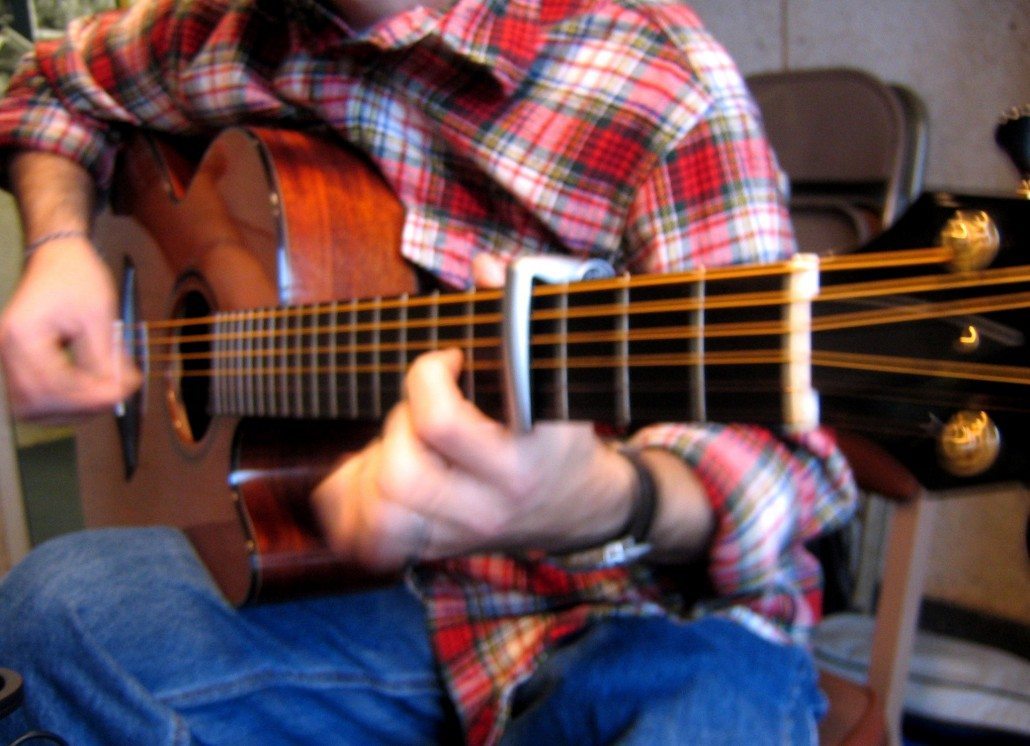
Also, my uncle performed in a rock band, and I remember at a young age always being surrounded by musicians. I was captivated by the sounds of guitar and drums, which in turn made me want to learn an instrument. Being exposed to music at such an early age made me eager to learn how to perform music myself. So, although I always wanted to learn how to play the saxophone, I finally settled on playing the guitar, and within a few years of practice, I started my own band.
Now that I have my own family, I stress the importance of music to my own son, and from an early age he’s been exposed to various forms of music. I play music around him, and there are countless musical instruments in my apartment for him to experiment with. So far, he seems to want to play the drums, no doubt the loudest musical option he could have picked. But whatever instrument he decides to play, I understand the need to support him. After all, if it were not for the exposure to music in my early childhood, I may have never picked up an instrument.
The Benefits of Using Songs as Teaching Tools
Nowadays, with budgets getting tighter in nearly every school district across the country, it’s often hard to implement music into our curriculum. I spoke with my son’s kindergarten teacher, and unfortunately, his school only has a music instructor come once a week due to cutbacks in their music program. While I realize the difficulties many of our school programs are facing, I wonder what we are sacrificing by cutting back on these important programs. Especially since many teachers find that using music can be a terrific way not just to entertain students, but to teach them as well.
For example, this short clip from the BBC introduces Seema, a teacher who believes music can be used as an instructional aid. When you watch the video, you’ll notice something remarkable; the children are engaged and learning, while having fun as well. Learning how to sing songs that teach educational fundamentals, will help students to memorize key concepts, while allowing them to enjoy themselves in a more engaging way than rote repetition can offer. While repetition is necessary to meet learning objectives, as the video suggests, making it fun for younger students will only increase the level of interaction they have with the material. I still remember singing my ABC’s, and I believe it was both effective and engaging to learn them that way.
Whose taking the lead? This is no time for a solo
There are many organizations out there who are making a difference by leading the fight to save music programs in our schools. One program is VH1’s Save The Music Foundation, which has taken on the mission, “to restore instrumental music education programs, ensuring that every child has access to a complete education that includes the benefits of music instruction.”
But what can we do to make sure that music programs stay alive and well in our schools? The NAMM foundation offers a toolkit to help parents and educators get organized around supporting music in their communities. Watch the following video, and get some insight into what you can do to help from composer, and author Sandy Feldstein.
Students and parents need to be vocal and active in their communities to make sure that the importance of music in our schools remains at the forefront, not at the tail-end of our students needs. Many studies suggest the benefits of music in our schools, one such study includes improved listening skills that will carry on into adulthood to the list, proving that our children will lead more rewarding lives because of music.
It’s important to remember that music isn’t just a hobby. Music tells the history of our lives. It has been a fundamental means of sharing our many stories and celebrating our heritage since its inception. Just think of the many contributions that folk music has made to passing on tales and portraits of American life. Moreover, think of the many other countless genres of music that have done the same across the globe. Without a doubt, music is something that we pass on from generation to generation. My grandparents passed it on to me, and I’ve passed it on to my own son.
Whatever part you take, let’s do our very best to make sure that the future is filled with beautiful music.
What do you think Studio 602ers? What is the role of music education in our schools? Sound off in the comments below.








Leave a Reply
Want to join the discussion?Feel free to contribute!